

A self-cleaning litter box can remove routine scooping, but it cannot make an incompatible litter work. Granules that do not pass through the sifter, clumps that break apart and dust around sensors can create chores the machine was supposed to reduce. Before comparing bags, check what your exact model is designed to use.
This guide separates particle size, clump strength and dust so you can assess each on its own. Pet Choice Compass compares manufacturer documentation; we do not run hands-on litter tests.
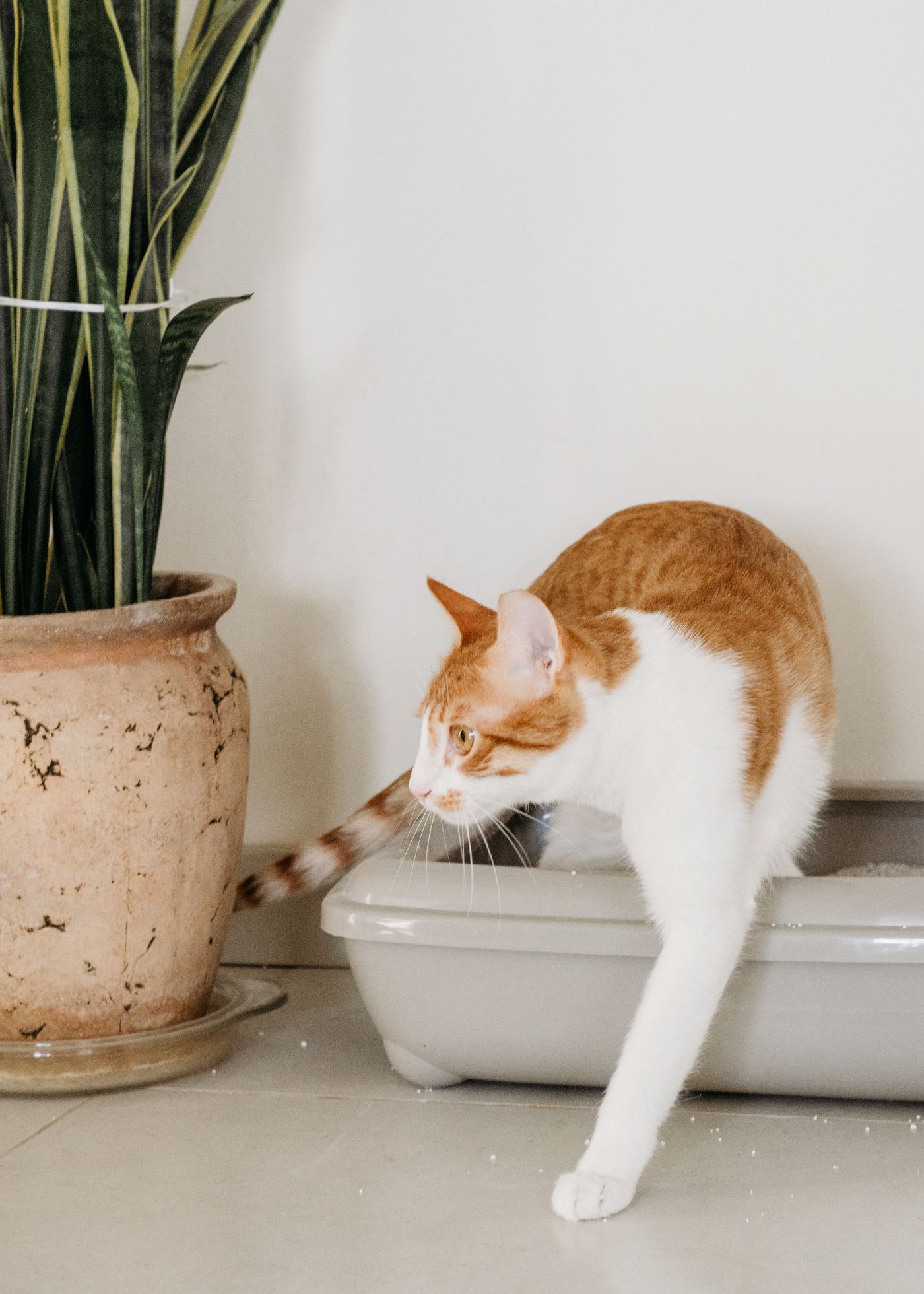
Granularity Is Really Three Separate Properties
“Granularity” describes particle size and texture. It does not tell you whether a litter forms strong clumps or produces dust. Read the bag and the machine’s instructions for three separate properties.
- Particle size. How large the individual granules are and whether their size and shape fit the machine’s sifter. Some manufacturers publish limits; others require a particular litter or tray.
- Clump strength. How firmly granules bind after absorbing liquid. Firm, dense clumps separate cleanly from a rake; soft ones smear, break apart mid-lift or cling to the mechanism.
- Dust fraction. How much fine material becomes airborne during pouring and use. Dust can accumulate around components and may affect some sensors.
For a machine designed to sift clumping litter, size, clump strength and dust are useful things to check. They do not tell the whole story: compatibility, maintenance, your cat’s comfort and the unit’s instructions matter too.
How Litter Affects the Cleaning Mechanism
Cats can have their own preferences about litter texture. The machine matters too: a sifting or raking system has to move or separate the litter it was designed to handle. In a clumping system, a clump that breaks during cleaning can leave residue behind. Some other systems use non-clumping crystals instead.
Sensors are another consideration. For example, Whisker says dust or fur can interfere with the Litter-Robot 4’s optical sensors. Follow your own model’s cleaning instructions, and do not disable or bypass a safety sensor.
The Main Granule Families Compared
Clay, silica and plant-based litters differ in shape and behavior. These descriptions are starting points, not guarantees: products within each family vary, and non-clumping crystals are intended for different systems than clumping litters.
| Litter family | Granule character | What tends to matter in an automatic box |
|---|---|---|
| Clumping clay | Fine to medium granules, dense clumps | Often used in clumping systems; check the required granule size, weight and dust level |
| Silica gel crystals | Larger, lighter, porous granules | Some dedicated crystal systems require a specific litter or tray; confirm the exact model and whether crystals are clumping or non-clumping |
| Corn, tofu and other plant-based litters | Varies widely, often light and pellet-like | Some clump, while shape and size vary; check the manual for restrictions on pellets or lightweight litter |
| Wood pellets | Often coarse pellets | May not pass through a particular sifter; use only if the exact model permits them |
The table is a starting framework, not a compatibility guarantee. Manufacturer specifications and manual wording are the authority for any specific unit, and ours is a documentation-based comparison rather than hands-on testing.
For example, Neakasa’s M1 Plus guidance specifies particle-size limits and does not recommend standard pellet-shaped tofu litter. By contrast, PetSafe’s ScoopFree crystal guidance calls for its crystal litter and warns against clay or clumping litter in that system. Other ScoopFree models have different requirements, so check the exact model name.
Check How Well Clumps Hold Together
When a bag says clumping, that describes a mechanism, not a performance level. The useful question is whether a clump stays intact as the machine moves it. If your machine uses clumping litter, observe how well the clumps hold together after the manufacturer’s recommended delay. Results can vary by litter, moisture and machine.
Whisker’s Litter-Robot 4 guidance recommends clumping or scoopable litter and notes restrictions on non-clumping and wood-based pellet litters. Follow the instructions for your precise model rather than assuming a product works in every machine.
Assess Dust and Tracking Separately
Litter can travel on paws, and dust may settle around a machine. Tracking varies with the litter, your cat and the setup; coarse particles are not automatically better. Texture and scent matter to cats too. The Feline Veterinary Medical Association’s house-soiling resource notes that many cats dislike dusty or strongly scented litter.
Match the Granule to the Box You Actually Bought
Litter compatibility is published per model, and it varies. Our specification comparisons across 21 automatic boxes, including CATLINK, Meowant, Casa Leo, Neakasa and PETKIT models, list the litter type each manufacturer states, alongside the documented limitations and any spec we have flagged as unverified where documentation conflicts or is incomplete. The listings show documented litter types and, where available, restrictions on particle size or materials.
Start with that field when comparing litter requirements. Compatibility in one machine does not establish compatibility in another, particularly where the sifter or cleaning method differs. Where a manufacturer’s wording is ambiguous, confirm the exact unit’s manual rather than relying on a retailer summary or a roundup.
A Short Pre-Purchase Checklist
- Check the model’s published litter type and any stated restrictions before shortlisting a litter.
- Choose a compatible type first. Where the model requires clumping litter, look for one that clumps reliably; consider dust and your cat’s preferences as well.
- Follow the manufacturer’s fill level and cleaning delay; monitor clump firmness where applicable and how your cat responds.
- Watch for dust on sensor surfaces and clean them as the manual directs.
- Introduce a compatible new litter gradually when practical, and keep a familiar litter box available during a transition.
- Re-check compatibility claims against the manufacturer’s own documentation, not ours alone.
Frequently Asked Questions
Can you use regular litter in an automatic litter box?
Sometimes, but it depends on the model. Some units require clumping litter, while others use a particular non-clumping crystal system. Check the manufacturer’s stated litter type and setup instructions for your exact model.
Is there a 100 percent dust-free cat litter?
Treat “dust-free” as a product claim rather than a guarantee. Dust varies by formulation and handling; consider a lower-dust compatible option if dust is a concern.
Do vets recommend clumping litter?
The Feline Veterinary Medical Association notes that many cats prefer soft, unscented clumping litter, but individual cats differ. If your cat is very young, has health concerns or has a history of eating litter, ask your veterinarian about an appropriate choice.
What is an automatic cat litter box?
It is a litter box that automates some waste removal, often using a rake or sifting mechanism. Waste compartments and features vary; some models offer an app or individual-cat tracking. Check the exact model’s documented age, weight, litter and operating requirements.
If you are still choosing a machine, use our seven-check buying guide to consider maintenance, consumables and cat acceptance alongside litter compatibility.
Sources and Further Reading
- Whisker: Litter-Robot 4 litter compatibility and sensor cleaning instructions.
- PetSafe: ScoopFree crystal litter guidance. Requirements vary across ScoopFree models.
- Neakasa: M1 Plus litter size and cleaning.
- Feline Veterinary Medical Association: Feline house-soiling.