


You set a number in your head, read a handful of roundups, and picture the payoff: no more crouching over the box with a scoop before your first coffee. The machine arrives, you set it up, and for a week it feels like a genuine upgrade.
Then the other chores show up. The ones nobody mentioned. The drum that needs wiping, the sensor that needs checking, the liner you did not budget for, the cat who refuses to go near the thing. The frustration rarely comes from a machine that fails outright. It comes from buying the wrong machine for your household and finding out afterward.
This guide is built differently. Pet Choice Compass compares manufacturer-published specifications across 21 automatic models, including CATLINK, Meowant, Casa Leo, Neakasa and PETKIT, and flags the points where documentation is incomplete or contradicts itself. We do not run hands-on tests and we do not publish prices or star ratings. What follows are the seven checks that decide whether a self-cleaning litter box earns its place in your home, plus honest notes on which buyers should wait.
1. The Hidden Cost Most Buyers Forget
The sticker price is the least interesting number in this purchase. The number that matters is what the unit consumes over a year: the specific litter it accepts, liners if the design requires them, odour filters if it uses them, waste bags, and any part that wears out.
Ask three questions before you commit. Does the unit restrict litter type, and does your preferred litter qualify? What does the manual say to replace and how often? And what happens to your costs if you add a second cat?
Treat broad compatibility claims as something to verify. A clumping-litter machine and a dedicated crystal system can have very different requirements. Check the manual for the exact unit you would receive, and use our litter compatibility guide to understand the distinctions. We do not publish prices, so build your budget from current consumable and replacement-part costs in your region.
2. The Feature That Matters More Than You Think
Odour control is a common selling point. The useful detail is how the design handles waste between cleaning cycles.
What you want to know is when waste leaves the main chamber, how it is sealed once it gets there, and whether air circulates through the litter or through the waste drawer. Different waste paths create different cleaning and emptying routines; a feature label alone does not establish how well a design controls odour.
Read the manual for the waste path, drawer maintenance and filter replacement instructions. We have not tested odour performance, so treat freshness claims as manufacturer claims rather than measured results.
3. The Chores the Machine Does Not Do
What these machines automate is scooping. The cleaning around it stays human work, and how much depends on the design. This is the part buyers underestimate most.
- Wiping the interior of the drum or globe, which litter dust coats over time
- Cleaning sensors and the entry area so the cycle keeps triggering correctly
- Emptying and washing the waste drawer
- Replacing liners, filters or bags on the manufacturer’s schedule
- Deep cleaning the whole unit, which no motorised design eliminates
Before you buy, find the maintenance section of the manual and read it as a chore list. If that list looks worse than scooping once a day, the machine is not solving your problem.

4. Cat Acceptance Is the Variable You Cannot Spec
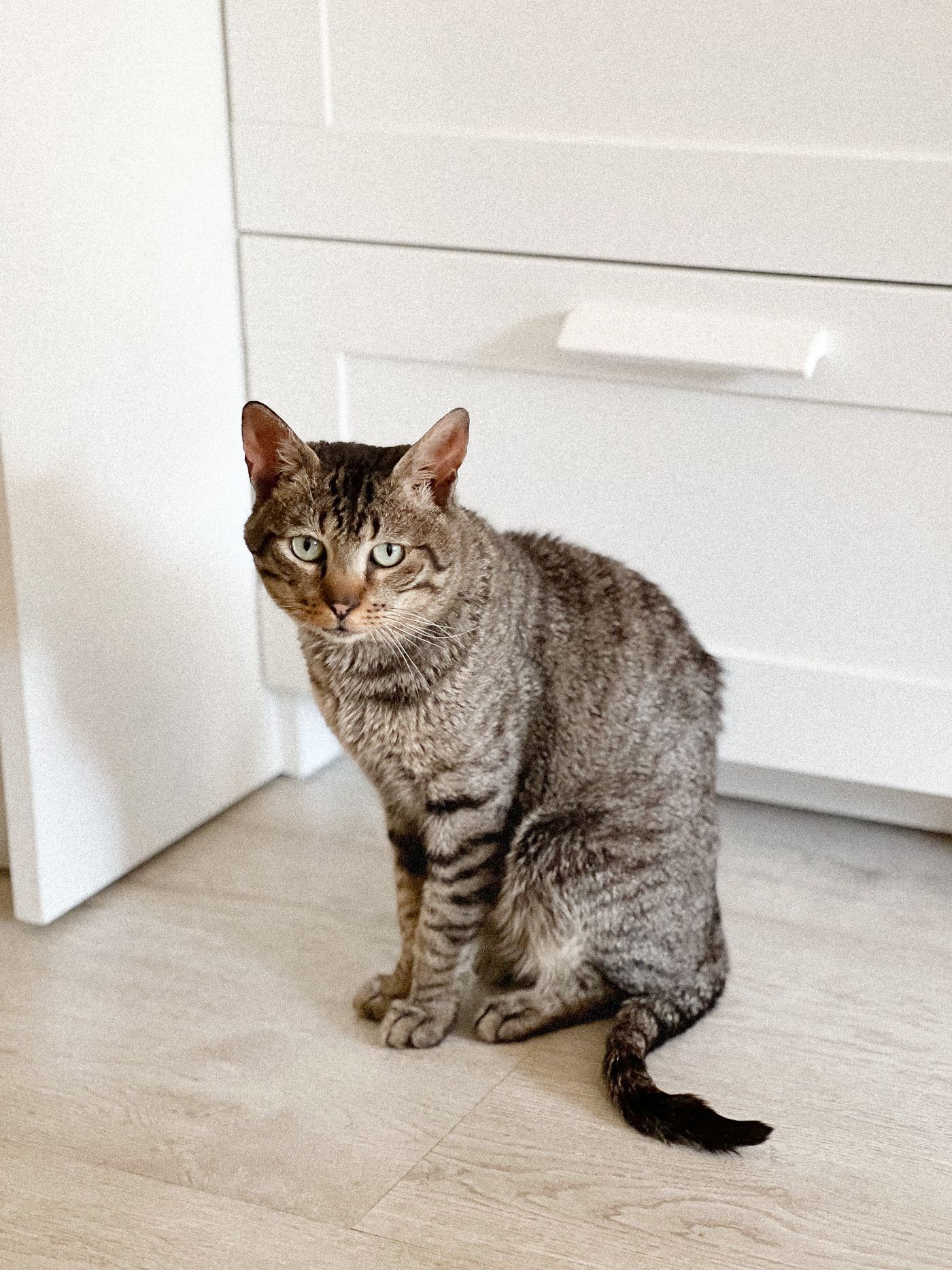
Every specification on a product page describes the machine. None of them can establish whether your cat will use it. Open and enclosed designs offer different layouts, but a review or product label cannot settle an individual cat’s preference.
What you can control is the introduction. Keep the old box in place during the transition, place the new unit somewhere quiet and accessible, and give your cat time rather than a deadline. Then check the physical specs that affect willingness to enter: entry height, opening size, and the manufacturer’s stated weight range for cats.
5. Safety Sensors: Read the Spec, Not the Badge
A listing that mentions an infrared safety sensor has identified a component. You still need to understand how the unit behaves in the situations that matter.
Look for answers to specific questions. What stops the cycle when a cat steps in mid-rotation? What happens if the power cuts out while the drum is moving? Is there a weight sensor in addition to infrared, and does the manual describe a minimum weight below which detection may not register? If the documentation is silent, treat that as an open question and contact the manufacturer before you buy.
6. Noise, Footprint and Where the Box Actually Goes
Our comparison does not include independently measured noise levels. If a manufacturer publishes a decibel figure, check the measurement conditions and whether it describes a full cleaning cycle. This matters more than it sounds, because most people do not put a litter box in a garage. It goes in a bathroom, a laundry room, a hallway or a bedroom.
Measure the space before you order. Then think about cycle frequency: a multi-cat household means more cycles per day, and more cycles means more motor noise and more frequent drawer emptying. A quiet single-cat machine can feel very different in a busy home.
7. Reliability Is a Support Question, Not a Motor Question
Connected features can depend on firmware updates, an account and an online service. Basic cleaning may have different requirements. Ask what still works if the app, Wi-Fi connection or manufacturer’s service is unavailable, and whether setup requires an account.
Confirm the warranty terms and the parts policy directly with the manufacturer. Ask whether wear items are sold separately and whether the model you are buying has been superseded. A box you cannot service is a box with a shelf life.
What Documented Model Differences Tell You
A useful comparison starts with a specific requirement, then checks the exact model’s documentation. These examples illustrate differences in litter requirements; they are not performance rankings.
| Model | What the manufacturer documents | What to check for your household |
|---|---|---|
| Litter-Robot 4 | Whisker’s FAQ specifies clumping or scoopable litter and excludes several non-clumping materials | Whether your preferred litter meets the instructions, plus entry access and cleaning requirements |
| Neakasa M1 Plus | Neakasa’s comparison recommends fast-clumping granular litter within stated particle-size limits and advises against standard tofu pellets | The granule size and formulation of the litter you plan to use |
| PETKIT Purobot Crystal Duo with Hood | PETKIT’s model page requires its matching Crystal Litter Set and tray | The ongoing cost and availability of that system, and the exact hooded configuration |
Read the source links and operating notes on each model page. A documented feature supports a comparison; it does not establish real-world reliability or guarantee your cat will accept the machine.

Which Household Should Buy Which Kind of Box
Multi-cat homes should check drawer capacity and cleaning frequency before focusing on app features. Confirm the manufacturer’s stated multi-cat support and check how often the waste container needs emptying under repeated cycles.
Small apartment dwellers should prioritise noise and footprint. Measure the alcove, then verify cycle noise and cycle time with the manufacturer rather than trusting a listing. Our small-apartment buying guide explains the operating and cleaning clearances to check separately.
Homes with a small, young or senior cat should start with the stated weight range and entry height. A machine built for an average adult cat may not suit yours, and the manual is the place to check.
Buyers who want connected features should check setup requirements, ongoing service costs and operation without the app. Extra functions are useful only if their maintenance and support requirements fit the household.
When the Honest Answer Is “Not Yet”
Skip the purchase for now if your cat is still settling into a new home, if you cannot find a maintenance schedule in the manual, if the weight range excludes your cat, or if the available documentation is silent on safety behaviour. A manual box that fits your routine beats a machine that fights it.
If you take one thing from this article, make it this: decide on the seven checks first, then choose the model. Use the Choice Compass tool to rank the 21 models against your own priorities, weight the criteria that matter in your home, and read the operating notes and pre-purchase checks for the specific unit before you order. Review the documented limitations alongside the ranking before deciding.
Frequently Asked Questions
Do self-cleaning litter boxes mean you never scoop again?
They remove routine scooping, not all litter box work. You still empty and wash the waste drawer, wipe down the interior, and replace filters or liners on the manufacturer’s schedule. Before buying, read the maintenance section of the manual and compare that chore list to your current routine. If the list looks heavier than scooping once a day, the machine may not save you time.
Which litter works in a self-cleaning litter box?
It varies by model. Clumping systems and dedicated crystal systems have different requirements, and particle size can matter too. Check the manual for the exact unit you would receive, including restrictions on pellets, lightweight materials and proprietary trays. Our model pages link to the manufacturer documentation behind the listed compatibility.
Are self-cleaning litter boxes safe for kittens?
Weight and age thresholds matter because a very small cat may not trigger sensors reliably. The manufacturer’s stated minimum weight range is the number to check, and the documentation should explain how the unit behaves when a cat enters mid-cycle. If the listing is silent on sensor behaviour, contact the manufacturer before you buy. Do not rely on a review site for this.
Is a self-cleaning litter box worth it for a single cat?
It depends on your routine and your tolerance for maintenance, not on the number of cats. A single-cat home benefits from fewer cycles, which usually means less noise and less frequent drawer emptying. The cost question is the ongoing one: litter type, liners, filters and replacement parts. Weigh those against the daily scooping you would remove.
Why do reviews disagree so much about the same model?
Reviews can reflect different cats, litter choices, model versions and expectations. An owner’s experience can be useful context, but it does not establish how the same unit will perform in your home. Start with the exact model’s instructions, then use clearly described hands-on reviews for additional context. Our model pages mark specifications that are unverified or missing.